
What a Full Wedding Day Timeline Looks Like
One of the biggest factors in how your wedding photos feel isn’t just where or what you plan. It’s how your day is structured.
A thoughtful timeline creates space for everything to unfold naturally, without feeling rushed or overly scheduled. It allows you to be present, which is what ultimately shapes how your photos feel.
Here’s a look at what a full wedding day timeline can look like, and how each part contributes to the overall experience.
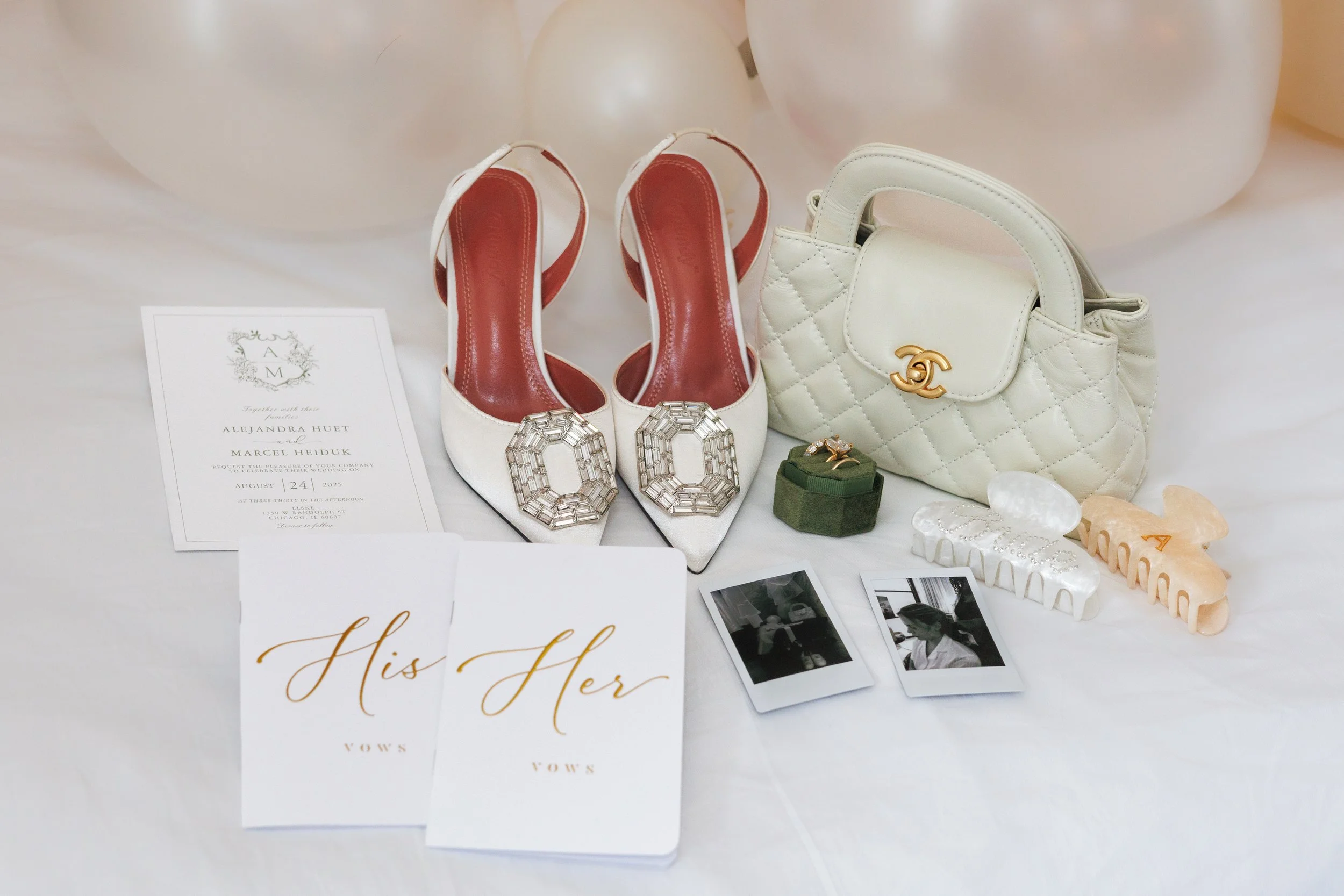
Getting Ready
This is where the day begins, and it often sets the tone for everything that follows.
There’s a quiet anticipation here, small moments happening in between everything else. Hair and makeup finishing touches, details being gathered, time spent with the people closest to you.
Giving yourself enough time in the morning allows this part of the day to feel calm rather than rushed, which carries into the rest of your day.
First Look or Pre-Ceremony Photos
If you choose to do a first look, this is where you see each other before the ceremony in a more private setting.
It creates space for a quieter moment together and allows many of your portraits to be done earlier in the day. This can make the rest of your timeline feel more relaxed.
If you decide to wait until the aisle, we simply shift those moments to later, building them into your timeline in a way that still feels natural.
Ceremony
Your ceremony is the most intentional part of the day.
Everything slows down here. It’s less about structure and more about presence, allowing the moments to unfold as they are.
From the walk down the aisle to the exchange of vows, this is where the emotional core of your day lives.
Family and Wedding Party Photos
After the ceremony, we typically move into family and group photos.
Having a clear plan for this portion helps keep it efficient while still allowing space for connection. When this is organized ahead of time, it becomes a smooth transition rather than something that feels overwhelming.
Couple’s Portraits
This is where we step away for a few moments together.
Whether it happens before or after the ceremony, this time is intentionally slower. It allows you to settle into the day and focus on each other without distraction.
Some of the most meaningful images often come from these in-between moments, when everything feels quiet and unhurried.
Reception
The reception is where the energy shifts.
Speeches, first dances, and the movement of the evening all unfold naturally, and your timeline simply supports that flow rather than controlling it.
Having enough coverage here ensures those moments are documented without feeling cut short.
Why the Timeline Matters
A well-structured timeline isn’t about fitting everything in.
It’s about creating space so nothing feels rushed, and allowing your day to move in a way that feels natural and present.
This is often what makes the biggest difference in how your photos feel.
Final Thoughts
Every wedding day is different, and your timeline should reflect what matters most to you.
If you’re unsure how much time you need or how to structure your day, I’m always happy to help guide you in a way that feels natural and aligned with your plans.
For more help planning your day, you can read more here:
How Many Hours of Wedding Photography Do You Need?
If you’re preparing for your wedding day and want to feel fully ready going into it, you can also read:
How to Prepare for Your Wedding Day Photos